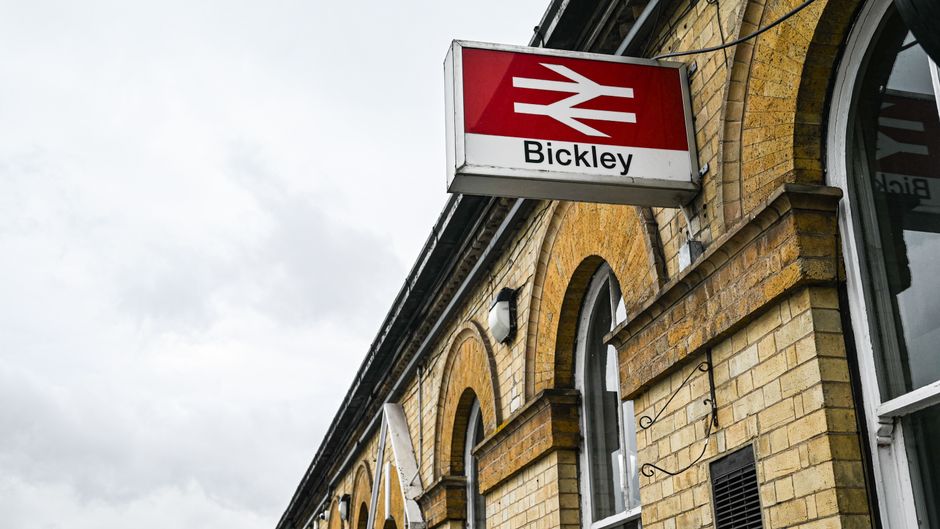
East Finchley Removals for Homes Near the Station: A Practical Guide for a Smoother Move
Moving home near East Finchley station sounds simple on paper. In real life, it can be a bit fiddly. Tight streets, busier morning traffic, pavement parking pressure, stairs in older buildings, and the usual moving-day chaos can all stack up quickly. If you are planning East Finchley removals for homes near the station, the smartest approach is to treat it like a short local project with proper planning, not just a van turning up and hoping for the best.
This guide explains what makes station-area moves different, how the process usually works, and what you can do to keep things calm, efficient, and less stressful. Whether you are moving from a flat, a terrace, or a family house just off the High Road, you will find practical steps here that actually help. No fluff. Just the stuff that matters when boxes are stacked in the hallway and you are trying to find the kettle.
Table of Contents
- Why East Finchley removals for homes near the station Matters
- How East Finchley removals for homes near the station Works
- Key Benefits and Practical Advantages
- Who This Is For and When It Makes Sense
- Step-by-Step Guidance
- Expert Tips for Better Results
- Common Mistakes to Avoid
- Tools, Resources and Recommendations
- Law, Compliance, Standards, or Best Practice
- Options, Methods, or Comparison Table
- Case Study or Real-World Example
- Practical Checklist
- Conclusion
- Frequently Asked Questions
Why East Finchley removals for homes near the station Matters
Homes near East Finchley station often come with convenience, but that convenience can turn into a moving challenge on the day. Station roads tend to have more passing vehicles, more pedestrians, and less room for a large removal van to stop comfortably. That matters because moving is not just about carrying furniture; it is about planning the route, timing the access, and protecting your belongings while everything is happening around you.
For many households, the biggest issue is not the distance. It is the access. A second-floor flat above a shop, a narrow driveway shared with neighbours, or a Victorian terrace with a tight hallway can all change how the move needs to be organised. A good plan saves time, reduces the number of trips, and cuts down the chance of knocks and scratches.
Truth be told, moves near stations also come with a rhythm of their own. Early commuters, school runs, delivery traffic, and evening congestion can all affect your schedule. If your removal crew arrives at the wrong time, even a short move can feel like a marathon. That is why local knowledge matters. It is not just about the vehicle; it is about the timing and the practical flow of the street.
Expert summary: if you are moving from a property near the station, prioritise access, parking, timing, and packing order before you worry about anything else. Get those right and the rest becomes far easier.
How East Finchley removals for homes near the station Works
Most local home moves follow the same basic pattern, but station-area moves need sharper coordination. First, the move is assessed. That usually means understanding what is being moved, how much there is, whether there are fragile items, and how easy it will be to load and unload safely.
Then comes the route and access planning. In a place like East Finchley, this can be the difference between a smooth morning and a messy one. A crew may need to think about where the van can safely stop, whether there is enough room to manoeuvre, and how far items will need to be carried from the front door to the vehicle. A few extra metres can matter more than people expect.
After that comes packing and preparation. If you have chosen a service that includes packing and boxes or packing and unpacking services, the team can help keep rooms organised and label items clearly. That makes unloading much easier at the other end, especially if you are moving into a smaller property or a building with awkward stair access.
Finally, there is the load itself. Depending on the size of the move, you might use a larger vehicle, a smaller removal van, or a flexible man and van setup. Smaller jobs near the station often suit this more nimble approach because it is easier to park, quicker to load, and less disruptive to neighbours. For fuller houses, a bigger team and vehicle may be the sensible choice.
One little detail that people forget: the final 10 percent of the move is often where the stress lives. The first boxes go fine. Then the cutlery drawer, the loose cables, the bicycle pump, the phone chargers, the cat carrier, the one plant you nearly forgot... that is where a clear process pays off.
Key Benefits and Practical Advantages
When station-area removals are handled well, the benefits are easy to feel on moving day. The obvious one is time saved. Less time circling for access, less time carrying items long distances, and fewer surprises usually means a quicker, calmer move.
There is also less risk of damage. Items that are packed properly and loaded in the right order are less likely to get bumped or crushed. This matters especially for awkward furniture, mirrors, and anything sentimental that you really do not want dropped on the pavement at 8:30 in the morning. Let's face it, nobody wants that kind of memory.
Another advantage is better neighbour relations. Near a station, people are used to movement and noise, but they are also busy. Keeping the van stop short, avoiding unnecessary blocking, and loading efficiently makes a real difference. Good removal planning is often invisible when it works well. That is the point.
For some households, the real benefit is peace of mind. If you are moving after a long tenancy, after renovation work, or during a tight handover window, knowing the logistics are under control can take the edge off the whole day.
- Faster loading and unloading
- Lower risk of scratches, dropped items, or hallway scuffs
- Better timing around local traffic and pedestrian flow
- Less stress if you are moving from a flat or upper-floor property
- More predictable costs when access is planned properly
Who This Is For and When It Makes Sense
This kind of move is especially relevant if you live in or around the streets close to East Finchley station and your property has limited parking, shared access, or multiple floors. Flat owners and renters often need the most help because stairwells, narrow doors, and communal entrances can make furniture handling more complicated than expected.
It is also a good fit for families moving between nearby homes. A short-distance move can seem simple enough to do yourself, but once you factor in sofas, beds, wardrobes, and a mountain of boxes, the job can eat an entire weekend. Sometimes two, if the weather turns. British moving day and rain have a way of meeting each other, don't they?
If you are downsizing, upgrading to a larger property, or moving between rental homes, local removal support can help you move without turning the process into a long, exhausting round of borrowed cars and favours. It can also make sense if you need a same-day turnaround, a temporary stop in storage, or a more flexible setup for a last-minute change.
For student moves, smaller loads, and single-room relocations, a compact service may be enough. For larger family homes, a fuller removals package is usually better. The key is matching the service to the real job, not the ideal version of the job in your head.
If you are moving a business nearby, a different service may be more suitable, such as commercial moves or office removals. The principles are similar, but the timing and handling requirements are not the same.
Step-by-Step Guidance
1. Start with access, not boxes
Before you pack a single plate, work out where the vehicle can stop, how close it can get to the property, and whether there are any access issues such as gates, lifts, or stepped entrances. This sounds basic, but it is the bit people skip most often.
2. Sort what is actually going
Do a proper declutter. Separate essentials, donations, recycling, and items for disposal. If you are getting rid of old furniture, it may be more efficient to arrange furniture removals or a furniture pick up before moving day. That means fewer items to lift, fewer decisions on the day, and a cleaner start in the new place.
3. Choose the right moving format
A smaller move may work well with man with van support, while a larger property may need a bigger vehicle or a dedicated team. If you are not sure, ask for guidance based on room count, item size, and access rather than just the postcode. Postcodes lie. Well, not literally, but they do not tell the whole story.
4. Pack by room and priority
Pack one room at a time, label each box clearly, and keep a separate essentials bag for the first night. Think kettle, chargers, toiletries, bedding, and basic cleaning items. Nobody wants to be hunting for a toothbrush under a pile of books at 11 p.m.
5. Confirm timing and special items
Before moving day, confirm the arrival window and mention anything awkward: pianos, heavy mirrors, long wardrobes, or stair-only access. If you need specialist support for a heavy instrument, piano removals is the sort of service that should be discussed early, not at the kerb when everyone is already under pressure.
6. Keep the handover simple
Have keys, meter readings, and important documents ready. Walk through the property once before leaving, checking cupboards, loft spaces, under beds, and the back of wardrobes. Small things get forgotten in the rush. It happens all the time.
Expert Tips for Better Results
In our experience, the most successful local moves are the ones where the client makes decision points easy. You do not need to become a logistics expert. You just need to remove friction. That starts with good labels, a clear order of priority, and a realistic moving-day schedule.
Tip one: keep your most useful items together. A box of kitchen basics, a box of bathroom essentials, and a small toolkit can save your evening. You will thank yourself later, probably while making tea on the floor.
Tip two: protect the route as well as the furniture. Hallways, door frames, and stairs are easy to overlook. Blankets, corner protection, and careful carrying matter more than people think, especially in older homes near the station where internal spaces can be tight.
Tip three: move the awkward items first if the access is narrow and you have space to stage them. Large wardrobes and sofa frames can be easier to handle early, before the load area becomes crowded.
Tip four: if you are using home moves support, ask how the team handles fragile pieces, dismantling, and reassembly. A quick conversation upfront can save a lot of back-and-forth on the day.
Tip five: do not underestimate parking pressure near the station. If the vehicle has to double back, park far away, or wait for a gap, the schedule slips. Build a little buffer in. Always.
When a move feels complicated, the fix is usually not more speed. It is better sequence, better packing, and clearer access planning.
Common Mistakes to Avoid
The biggest mistake is assuming a short distance equals an easy move. A flat five minutes from the station can still be challenging if the access is poor or the road is busy. The second mistake is underestimating how long packing takes. Everyone does it once, then swears never again.
Another common issue is failing to separate what is staying, what is going, and what needs storage. That causes clutter on moving day and creates extra loading time. If you already know you will not use certain items straight away, putting them into storage can keep the new home from feeling cramped on day one.
People also forget to mention awkward access details. A narrow staircase, low doorway, or shared entrance can change the vehicle choice and the time needed. If the removals team knows this early, they can plan properly. If not, everyone ends up improvising. Which sounds flexible, but usually just means slower.
One more thing: do not leave all the heavy lifting to the last hour. Small boxes become manageable when packed gradually. Large piles become a problem. Simple as that.
Tools, Resources and Recommendations
You do not need fancy equipment for a well-run home move, but a few practical tools help a lot:
- Strong boxes in a few different sizes
- Packing tape and a decent dispenser
- Marker pens for clear room labels
- Furniture covers or blankets for protecting surfaces
- Zip bags for screws, cables, and small fittings
- A basic toolkit for dismantling and reassembly
If you want extra help with packing, the packing and boxes service can simplify the whole process. For moves that need more hands on deck, a full removal services approach may be better than trying to patch together separate bits of support.
For households with a lighter load, man with a van can be a very practical option. For larger moves that need more capacity, a proper moving truck or a removal truck hire setup may be more suitable. The best choice depends on volume, access, and how much time you have available.
If you are dealing with a mixture of house contents, bulky furniture, and a tight deadline, it may help to speak directly with a team that knows the local area and can advise on the right fit. That small bit of advice can save a whole lot of nonsense later.
Law, Compliance, Standards, or Best Practice
For home removals in the UK, there are a few sensible best-practice areas to keep in mind. First, vehicle loading should be done safely and in line with normal road safety expectations. Heavy items should be secured properly. Nothing should be left loose in a way that could shift during transport.
Second, if movers are carrying items through communal areas, they should take care to avoid damage and minimise disruption. That is not just polite; it is part of good professional practice. If you live in a managed building, check any building-specific moving rules in advance, such as lift booking or access times. These vary by property, so it is best not to assume.
Third, insurance matters. A reputable operator should be able to explain how items are handled and what cover or safeguards are in place. You can review the company's approach to insurance and safety alongside its health and safety policy. Those pages are useful because they show how the business thinks about risk, equipment, and care.
Fourth, if you are comparing providers, look for clear terms, transparent pricing, and plain-English communication. The point is not just to pick the cheapest option. It is to choose the one that reduces stress and surprises. The most expensive mistake in moving is often the one you did not plan for.
You may also want to review pricing and quotes and the company's terms and conditions so you know exactly what is included before moving day arrives.
Options, Methods, or Comparison Table
Here is a simple comparison of common moving approaches for homes near East Finchley station. It is not a one-size-fits-all answer, but it can help you think clearly.
| Option | Best for | Strengths | Trade-offs |
|---|---|---|---|
| Man and van | Small flats, light loads, short local moves | Flexible, quick, easier around tight streets | Less capacity for larger homes |
| Removal van with a small crew | One- to three-bedroom homes, mixed furniture | Balanced cost and capacity, practical for station-area access | Needs more planning if the property has awkward stairs |
| Full removals team | Larger homes, heavy furniture, multiple floors | More support, faster load handling, better for complex moves | Usually more expensive than a smaller setup |
| Storage plus move | Gap between moving out and moving in | Reduces pressure, keeps items safe during transitions | Requires extra coordination and planning |
If you are still deciding, ask yourself one simple question: do I need flexibility, capacity, or extra help with packing and handling? That answer usually points you in the right direction.
Case Study or Real-World Example
A typical station-area move might look like this. A couple leaving a second-floor flat near the station had a narrow staircase, two large wardrobes, a sofa, and several heavy boxes of books. They originally assumed a small van would be fine because the new place was only a short drive away. In practice, the stairs and parking situation meant the move would have taken much longer than expected.
After a quick access review, the plan changed. The removal team used a vehicle sized for the load, split the boxes into clearer categories, and loaded the larger furniture first while the road was quieter in the morning. A few items were moved into temporary storage ahead of time, which made the final handover smoother. The move still took effort, of course. It always does. But it felt manageable, and that is the difference.
That kind of example is common. The successful moves are rarely dramatic. They are just well-sequenced, calm, and not overcomplicated by poor planning.
Practical Checklist
Use this checklist in the last few days before your move.
- Confirm your moving date and arrival window
- Check station-area parking and access details
- Tell the team about stairs, lifts, gates, or narrow entrances
- Separate items for moving, storage, donation, and disposal
- Label every box by room and priority
- Pack an essentials bag for the first night
- Disassemble furniture where needed, or confirm help is included
- Protect fragile items with enough wrapping and padding
- Keep keys, documents, and meter readings together
- Walk through every room before leaving
- Make sure pets and children have a calm plan for the day
- Leave a little time buffer, because moving days rarely run perfectly on the minute
If you are moving a smaller household and want a straightforward solution, a man and van service may be enough. For a full house, consider the extra reassurance of a broader house removals approach. Different jobs need different tools. Simple as that.
Get a free quote today and see how much you can save.
Conclusion
East Finchley removals for homes near the station work best when the move is planned around real-world access, not just the distance between two addresses. The roads, the parking, the stairwells, and the timing all matter. If you get those pieces right, the whole day feels lighter. Less frantic. More controlled.
For many households, the best move is not the biggest service. It is the one that fits the property, the schedule, and the load properly. That might be a compact van and driver setup, a fuller team, or a move that includes packing, storage, and furniture support. There is no prize for making things harder than they need to be.
If you are preparing for a move near East Finchley station, focus on access, packing, and clarity first. The rest tends to follow. And when the last box is in, the kettle is on, and the place starts to feel like home, you will be glad you planned it properly.
Frequently Asked Questions
How far in advance should I book a removal service near East Finchley station?
As soon as you know your moving date, book early if you can. Local access issues, school holidays, and weekend demand can affect availability, so giving yourself more lead time is usually safer.
Is a man and van service enough for a flat near the station?
It often is for smaller flats or lighter loads. If you have multiple large pieces of furniture, several flights of stairs, or awkward access, you may be better off with a larger vehicle or a fuller removals team.
What makes station-area removals more difficult than other local moves?
Parking, traffic flow, pedestrian activity, and shared access are the main factors. Even a short move can slow down if the vehicle cannot get close enough to the property.
Can I use storage if my moving dates do not line up?
Yes. Storage can be very useful if you are waiting for keys, renovating, or moving out before the new place is ready. It keeps the pressure off the rest of the move.
Do I need packing services or can I do it myself?
You can absolutely pack yourself if you have the time and enough materials. Packing services are useful if you are short on time, have fragile items, or simply want the process handled more efficiently.
What should I do with bulky furniture I do not want to take?
Arrange furniture removals or a furniture pick up before moving day if possible. That keeps your load smaller and helps the move run more smoothly.
Are short-distance removals cheaper?
Often, yes, but the final price also depends on access, number of items, time needed, and whether packing or storage is included. A short distance does not automatically mean a simple move.
How do I prepare for moving day if I live in a block of flats?
Check lift access, booking rules, loading arrangements, and any building restrictions early. Let the removal team know about communal areas, stair width, and any parking limitations.
What if I need to move at short notice?
Same-day or short-notice support may be possible depending on availability. If your situation is urgent, it is worth looking at same-day removals as an option.
How do I know whether I need a removal van or a larger truck?
Think about the amount of furniture, the number of boxes, and how much room is available outside the property. A smaller van suits lighter moves; a larger truck is better for fuller homes and larger furniture.
What should I check before booking a removal company?
Look at the company's experience, pricing clarity, insurance and safety approach, and the service fit for your type of move. Pages like about us, insurance and safety, and pricing and quotes can help you decide with more confidence.
Can removal teams help with heavy or specialist items?
Yes, depending on the service and the item. Heavy instruments, large wardrobes, and awkward furniture should be mentioned in advance so the right equipment and planning can be used.
If you are getting ready to move near the station, a calm, well-planned approach will save you more energy than a last-minute scramble ever could. When in doubt, simplify, label clearly, and give yourself breathing room. That is usually the winning formula.